The Hidden Dangers of Severe Contamination
Property emergencies involving biological matter—whether from a trauma event, an unattended death, or a severe sewage backup—present unique and urgent challenges. In Round Rock, the combination of dense residential neighborhoods and our specific Central Texas climate can exacerbate these issues rapidly. Understanding how these contaminants interact with your building's structure is the first step toward effective remediation.
Sewage backups, biohazards, and resulting odors deeply affect properties by seeping into porous materials like drywall, carpet padding, and subfloors. In the Central Texas heat, these trapped biological contaminants quickly breed bacteria and accelerate severe odor migration, making professional source removal essential for restoring safety.
Unlike standard water damage from a clean pipe burst, Category 3 water (sewage) and bodily fluids contain harmful pathogens. When these substances breach the visible surfaces of a home or business, they initiate a process of structural degradation and health risks that require immediate intervention.
The Threat of Category 3 Water and Sewage Backups
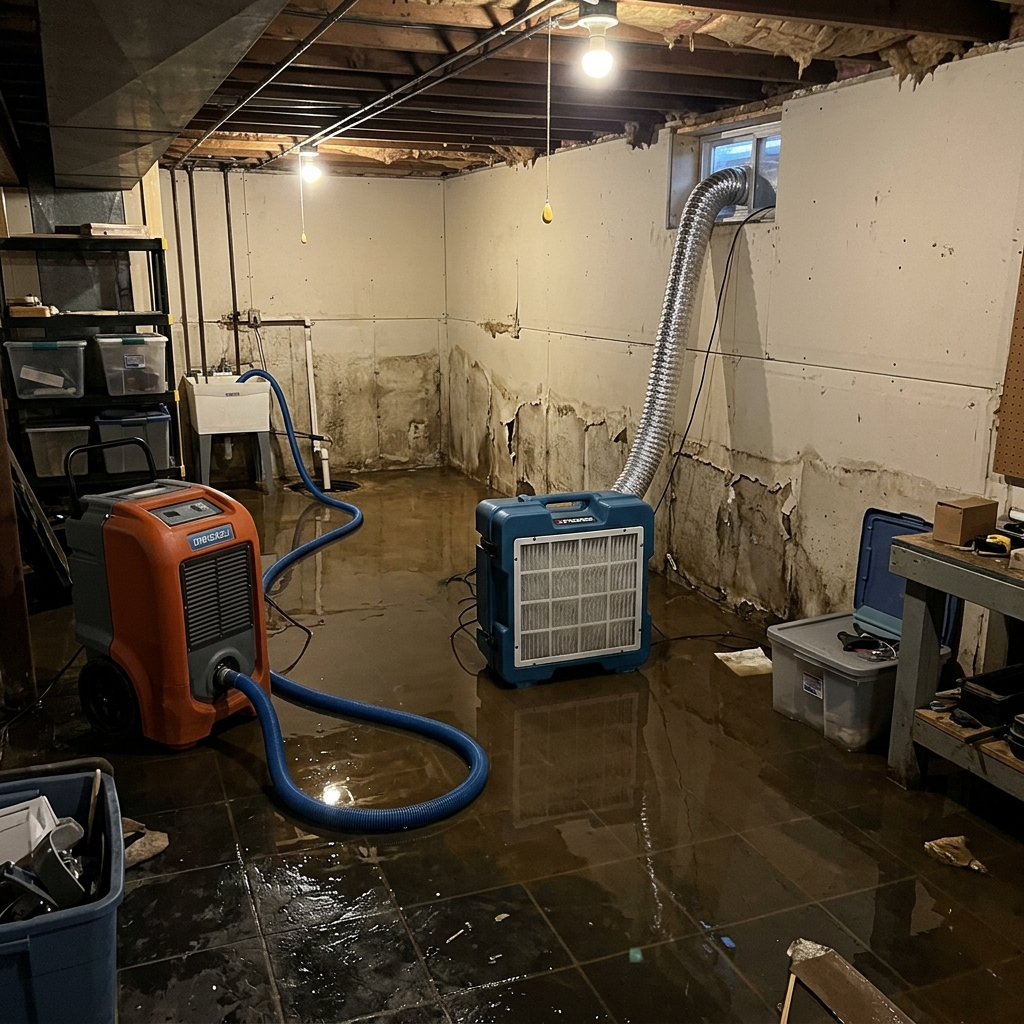
Sewage backups are one of the most destructive events a property can experience. Heavy rains or plumbing failures can force raw sewage into ground-floor apartments, basements, or commercial spaces. This Category 3 water is grossly contaminated with bacteria, viruses, and other hazardous microorganisms.
When sewage floods an area, drying the space is entirely insufficient. The contamination penetrates baseboards, wicks up drywall, and saturates carpet padding. Because these porous materials cannot be sterilized, they must be safely removed. Our trusted cleanup support for Round Rock properties ensures that all affected structural elements are extracted and the remaining nonporous surfaces are aggressively sanitized.
Texas Heat and Accelerated Odor Migration
Odors are not just a nuisance; they are an indicator of active biological decay. In the intense heat of a Texas summer, an unattended passing or a prolonged sewage issue will rapidly produce overwhelming odors. High temperatures accelerate the decomposition process and bacteria growth.
Furthermore, humidity allows these odors to travel. In apartment complexes near University Boulevard or older homes in the Main Street District, shared walls and common HVAC systems can quickly transport foul smells to neighboring units. Effective remediation requires true odor-source removal, not just masking agents or surface cleaning.
Never run your central air conditioning or ceiling fans if you suspect severe biological contamination or sewage backup in a room, as this will actively pull contaminants and odors into your ductwork.
Why Porous Materials Cannot Be "Just Cleaned"
A common misconception among homeowners is that a deep steam cleaning can salvage carpet exposed to biological fluids. In reality, liquids pass through the carpet fibers and pool in the padding and wooden subfloor below. Attempting to wash the surface only pushes the contamination deeper.
Professional remediation protocols mandate the removal of these saturated materials. Whether it is removing sections of drywall to prevent mold and bacterial growth after a sewage incident, or tearing out subflooring affected by an unattended death, complete extraction of the source is non-negotiable for property safety.
Restoring Safety to Your Building
Addressing these severe forms of contamination requires specialized personal protective equipment (PPE), containment barriers to protect unaffected rooms, and professional-grade disinfectants. Our Round Rock biohazard remediation team utilizes OSHA-aware practices to safely manage and dispose of the resulting hazardous waste.
By choosing professional intervention immediately, property managers and homeowners prevent secondary damage, stop cross-contamination, and ensure the environment is fully restored to a habitable, safe condition for all occupants.