The Diverse Properties of Central Texas
Williamson County is characterized by incredible diversity in its property landscapes. From the dense, rapidly expanding subdivisions near Teravista to the sprawling, isolated rural properties outside the city limits, no two environments are exactly alike. Because of this variety, our approach to trauma, hoarding, and unattended death cleanup must adapt significantly depending on the specific location of the emergency.
Biohazard remediation needs differ across Williamson County based on housing density and property isolation. Dense suburban and apartment environments require strict odor control and discreet access, while rural or isolated properties often involve longer undiscovered periods, leading to severe decomposition cleanup and complex logistical access.
A biohazard incident is challenging anywhere, but the physical environment dictates the primary safety and logistical priorities for our technicians.
Dense Suburban and Multi-Family Environments
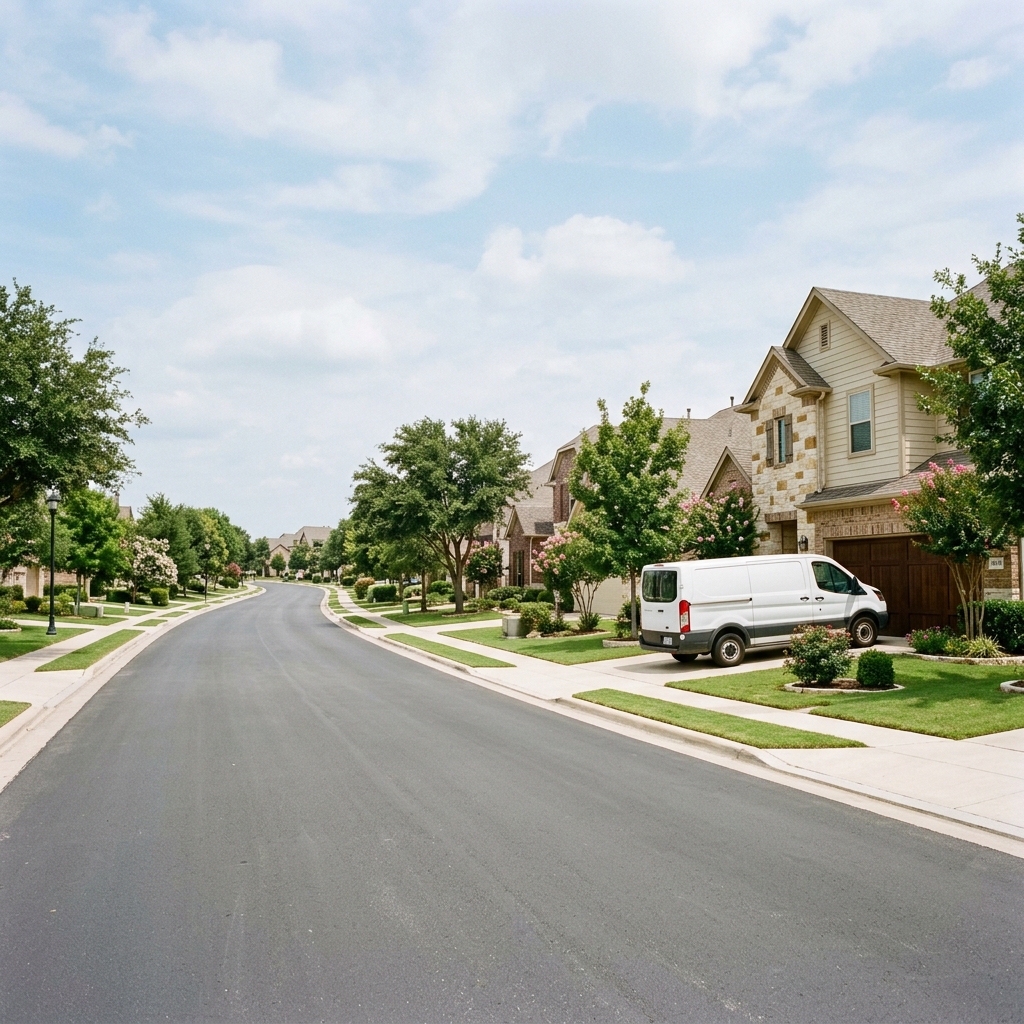
In densely populated neighborhoods and massive apartment complexes near major corridors like Interstate 35 and State Highway 45, privacy and cross-contamination are the immediate concerns. When homes are separated by merely a few feet, or when tenants share hallway walls, a biological hazard can quickly become a community issue.
In these settings, an unattended passing can produce odors that neighbors notice within days due to the hot Central Texas climate. The remediation focus here is on rapid, discreet containment. Our Williamson County cleanup team prioritizes the immediate deployment of negative air machines to stop odor migration into adjacent properties and uses covered transport bins to discreetly remove biohazardous waste through populated areas.
Specialized Care in Senior Communities
Communities with high concentrations of senior living facilities face unique remediation needs. Incidents in these environments demand profound compassion and an exceptionally low-profile response to prevent distress among vulnerable residents. Technicians must often navigate strict HOA guidelines, gated access protocols, and coordinate closely with facility management or estate representatives.
If you manage a property in a gated community, providing your cleanup team with temporary gate codes and identifying preferred service-vehicle parking beforehand can drastically reduce response delays during an emergency.
Rural and Isolated Properties
Conversely, properties on larger acreage or in more rural sections of the county present the opposite challenge. Because homes are further apart, a trauma event or unattended death may go undiscovered for a much longer period. Prolonged exposure allows biological fluids to seep deeper into the subflooring and foundation.
Remediation in these isolated properties often involves a much heavier scope of work. Technicians may need to remove extensive amounts of saturated drywall, insulation, and flooring. Furthermore, these properties often utilize septic systems, which require careful consideration when managing large volumes of contaminated fluids or addressing severe sewage backups.
A Region-Specific Response
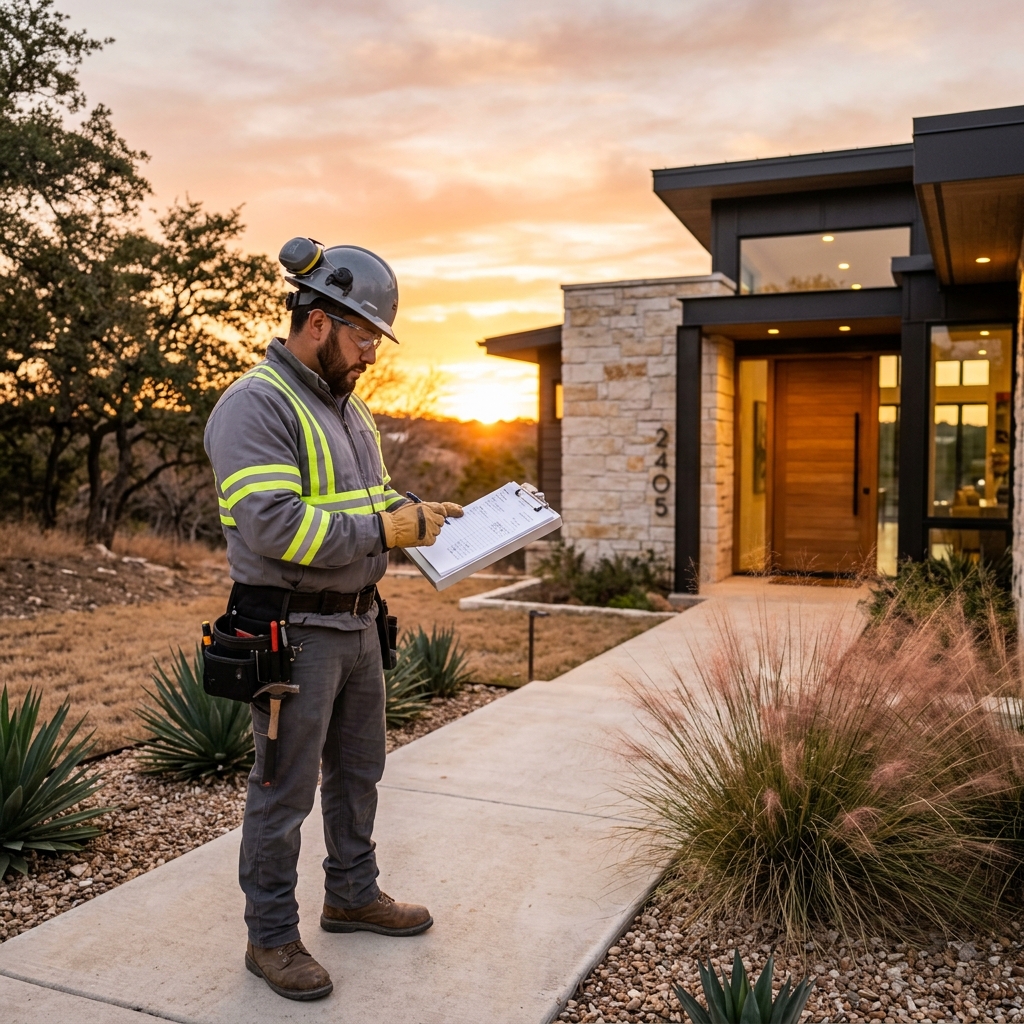
Understanding these geographical and structural differences is what separates a generic cleaning service from true trauma and biohazard remediation professionals. Whether we are navigating the tight stairwells of an older urban home or bringing heavy-duty equipment down a long dirt driveway, our safety protocols remain uncompromising. By adapting our strategies to the specific needs of Williamson County, we ensure that every property is returned to a safe, sanitized, and habitable condition.