
Navigating Complex Property Environments
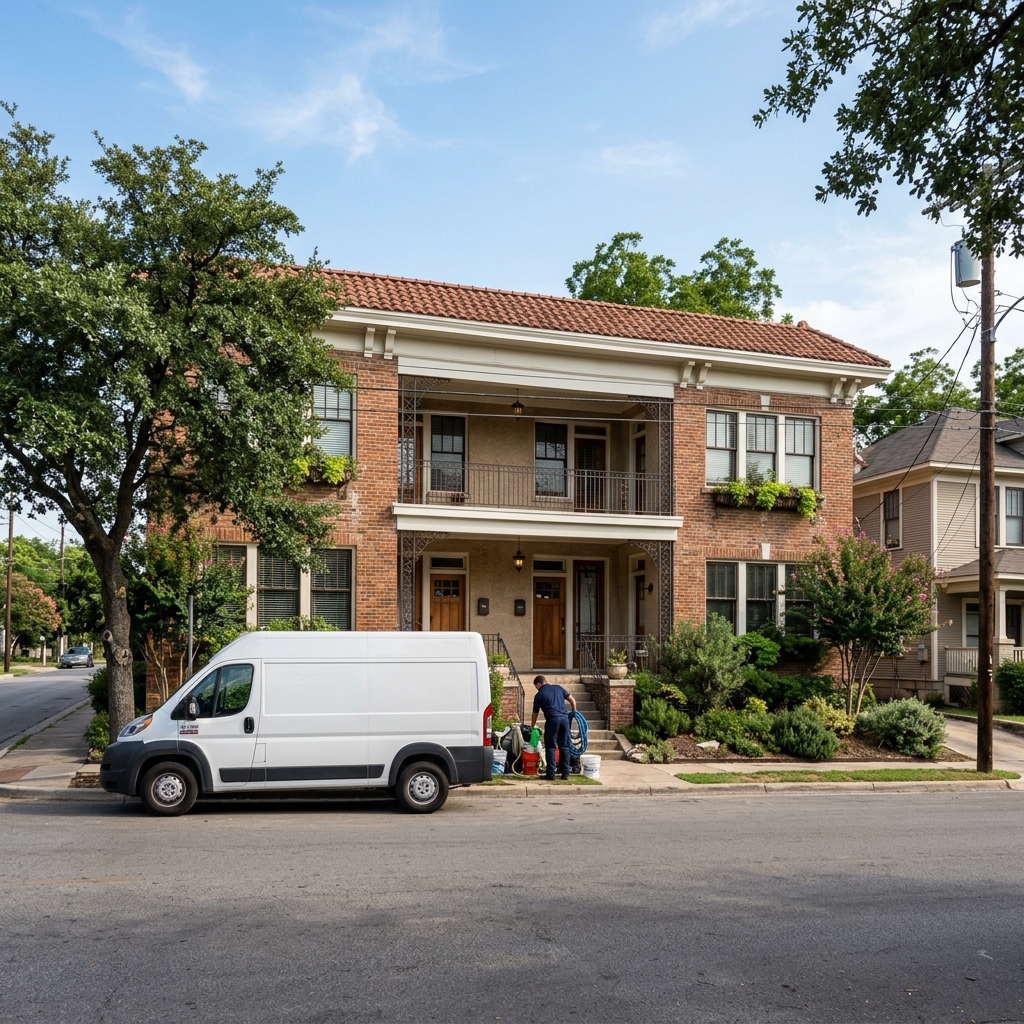
Biohazard remediation is never a one-size-fits-all process. The architectural style, age, and layout of a building drastically change how a cleanup team must approach a scene. In our growing city, we encounter a wide spectrum of architecture—from the historic houses near Downtown to the sprawling, modern apartment complexes near Teravista. Each of these environments presents distinct logistical and structural hurdles during a crisis.
Older homes and multi-unit buildings present unique biohazard cleanup challenges due to shared ventilation systems, aging plumbing, and porous antique materials. In apartments, ensuring tenant privacy, managing shared hallways, and preventing cross-contamination to neighboring units are critical priorities that require specialized containment strategies.
When an unattended death, trauma event, or severe hoarding situation occurs, containing the biological threat is paramount. However, doing so in tightly packed or historically sensitive buildings requires an elevated level of expertise and discretion.
The Unique Hurdles of Older Homes
Historic and mid-century homes possess undeniable charm, but their construction methods can complicate remediation. Older properties frequently feature original hardwood floors, lath and plaster walls, and aging subfloor structures. When blood or bodily fluids contaminate these surfaces, the fluids often seep through gaps in the floorboards and into the cavities below.
- Structural Cavities: Older framing often lacks modern firestops, creating continuous wall cavities where fluids and odors can drop and migrate easily between floors.
- HVAC Quirks: Outdated or retrofitted ventilation systems may distribute odors unevenly, making it difficult to isolate the affected zones without sealing off the entire house.
- Material Preservation: While safety is the priority, our team exercises extreme care when removing contaminated sections of historic trim or custom woodwork, minimizing the footprint of demolition where possible.
Managing Multi-Unit and Apartment Complexes
Apartment buildings and condos present an entirely different set of challenges. An incident in a single unit can quickly impact the entire floor. Odors from decomposition or hoarding conditions easily slip under doors into shared hallways or travel upward through shared bathroom ventilation shafts.
If an incident occurs in an apartment, property managers should immediately restrict access to the unit and seal the edges of the front door with painter's tape to help temporarily suppress odor migration into the hallway.
Furthermore, logistics are highly complex. Bringing bulky equipment, protective gear, and waste disposal bins through public lobbies, elevators, and stairwells demands absolute discretion. Our local biohazard cleanup professionals utilize unmarked vehicles and covered transport bins to protect the privacy of the affected family and prevent panic among neighboring tenants.
Cross-Contamination and Discretion
In high-density living situations, cross-contamination is a severe risk. A technician stepping from a contaminated apartment into a clean hallway can easily track pathogens. To combat this, strict staging areas and containment zones are established inside the doorway of the affected unit. Technicians don and doff their PPE entirely within the contained environment.
Whether navigating the narrow staircases of an older home or coordinating with HOA management for elevator access, local biohazard remediation professionals in Round Rock understand how to adapt their safety protocols. We prioritize securing the scene, protecting unaffected areas, and resolving the hazard with the utmost respect for the property and its surrounding community.